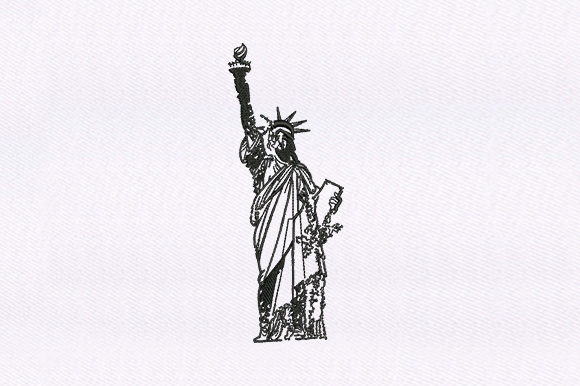
Statue of Liberty Embroidery: A Designer’s Review
As an embroidery designer who has spent countless weekends behind a craft fair table, I know that the difference between a browsing customer and a buying customer often comes down to split-second visual impact. When I pull a new machine embroidery design out of my digital library to test for an upcoming market, I am not just looking at aesthetics; I am looking at sellability. Recently, I evaluated the Statue of Liberty design to see how it would perform in a real-world retail environment. This is not just about patriotism; it is about creating a handmade product that resonates with tourists, locals, and gift-givers alike.
First Impressions: Bold, Iconic, and Marketable
The first thing that strikes me about the Statue of Liberty motif is its immediate recognizability. In a crowded booth filled with floral patterns and cute animals, a strong national symbol cuts through the noise. This design feels bold and decorative, leaning towards a classic, timeless appeal rather than a trendy, fleeting style. For sellers targeting the North America market, this is a staple. It does not try to be funny or overly rustic; instead, it carries a sense of pride and heritage. This makes it versatile enough to fit into various branding styles, from vintage-inspired boutiques to modern souvenir shops.
When reviewing the file formats—ranging from DST and PES to EXP and JEF—it is clear that this is a professional-grade digital embroidery file intended for broad compatibility. However, the true test is how those stitches translate onto fabric. The silhouette of Lady Liberty is complex, requiring careful attention to stitch density to ensure the torch and crown details do not become a muddy mess of thread.
Product Applications: Where This Design Shines
To maximize sales, you must place the right design on the right product. Here is how I envision the Statue of Liberty performing across different items in my craft fair lineup:
- Tote Bags and Market Bags: This is arguably the best application. A large-scale version of the design centered on a canvas tote creates an instant statement piece. It serves as both a functional item and a wearable piece of art. As a tote bag design, it appeals to tourists looking for a meaningful keepsake that is more durable than a paper souvenir.
- Aprons and Tea Towels: For kitchenware, scale is critical. On an apron, the design works well as a chest pocket accent or a lower hem feature. For tea towel embroidery, I recommend using a smaller version. However, be cautious with textured towels; the intricate lines of the statue may get lost in thick terry cloth. Smooth linen or cotton blends are superior here.
- Embroidered Patches: Patches are high-margin, low-effort items. If the design holds up at a small size, it becomes a fantastic add-on sale. Customers love ironing these onto denim jackets or backpacks. Ensure the border is satin-stitched tightly to prevent fraying.
- Caps and Hats: Curved surfaces are tricky. The vertical nature of the Statue fits well on the front panel of a baseball cap, but you must digitize or select a version with reduced pull compensation to avoid distortion. This is a premium craft fair product if executed cleanly.
Production Realities and Technical Considerations
While the concept is strong, the execution requires diligence. As an experienced embroiderer, I always advise testing the design on scrap fabric before committing to your final inventory. Here are the specific technical hurdles you need to address:
- Stitch Density and Detail: The crown spikes and the torch flame are delicate areas. If the stitch density is too high, the fabric may pucker, especially on lighter materials like pillow covers. If it is too low, the details will look sparse. Check your tension settings.
- Thread Colors: The Statue of Liberty is associated with specific hues—oxidized green-gold and bronze. However, for a small shop product, consider offering variations. A monochrome white-on-white design on a navy tote can look incredibly elegant and premium, appealing to a different demographic than the traditional colorful version.
- Fabric Texture and Stabilizer: Never skip the stabilizer. For dense designs on stretchy fabrics like tote bags, a cut-away stabilizer is non-negotiable to maintain shape after washing. On woven fabrics like aprons, a tear-away may suffice, but test it first. The fabric texture plays a huge role in how the light hits the stitches, affecting the perceived quality.
- Hoop Size Constraints: Verify the required hoop size before purchasing. If the design is large, you may need a 5x7 or 6x10 hoop. Ensure your machine can accommodate this, and factor the hoop limitation into your product sizing.
Visual Appeal and Buyer Engagement
In a physical booth, the Statue of Liberty design acts as an anchor. It draws the eye because it is a familiar shape. When customers stop to look, they engage with the craftsmanship. The raised texture of the Embroidery adds tactile value that printed souvenirs cannot match. This perceived value allows you to price your items higher. A printed mug might sell for $10, but an embroidered tote with high-quality stitching can easily command $25 or more.
For online sellers, particularly the Etsy seller demographic, photography is key. This design photographs beautifully because of its distinct outline. Use good lighting to highlight the sheen of the thread. Create a printable mockup or take flat-lay photos with patriotic or neutral props to show scale. These design assets help customers visualize the finished product in their own homes.
Commercial Licensing and Final Verdict
Before you start stitching hundreds of units, confirm the licensing terms. Since this is a commercial embroidery context, ensure your purchase of the embroidery file includes rights to sell finished goods. Most designers allow this, but some restrict mass production. Always read the fine print.
Furthermore, check the file formats provided. The list includes 10O, ART, CND, DSB, DST, DSZ, EXP, HUS, JEF, PCS, PES, TAP, VIP, VP3, and XXX. This wide range suggests the designer has optimized the file for many major machine brands. However, always load the specific format for your machine and run a simulation if your software allows it. Look for jump stitches that might need trimming and ensure the color stops make sense for your workflow.
In conclusion, the Statue of Liberty is a robust choice for any maker focusing on American-themed or travel-related goods. It balances nostalgia with modern crafting trends. By paying attention to thread colors, choosing the right stabilizer, and placing the design on high-visibility items like totes and patches, you can create a best-selling line. It is not just a design; it is a tool for building brand consistency and driving buyer engagement at your next market. Treat it with the respect it deserves in production, and it will reward you with consistent sales.