Fox Face Embroidery: A Designer’s Craft Fair Review
As an embroidery designer who has spent countless weekends behind a folding table at local markets, I have learned that not every design translates into sales. Some patterns look beautiful on a screen but disappear on fabric. Others are so dense they pucker the material before you even finish the first hoop. When I pulled up the Fox Face machine embroidery design, my immediate goal was to determine if it had the visual punch required for a busy craft fair environment. This review is written from the perspective of a maker preparing for a high-traffic weekend, evaluating whether this wild animal motif can carry a product line.
First Impressions and Visual Appeal
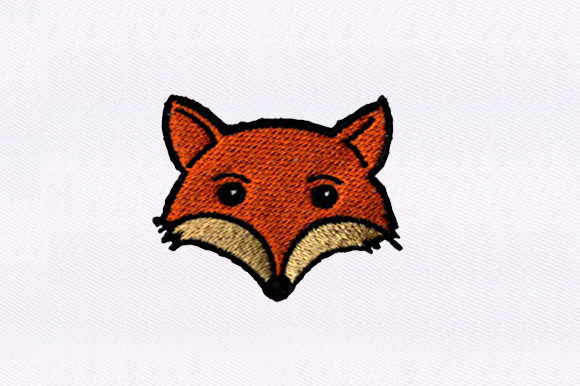
The first thing I look for in a potential bestseller is instant recognizability. In a crowded booth, customers scan tables in seconds. The Fox Face design succeeds here because it relies on strong, iconic shapes. It feels rustic yet modern, striking a balance that appeals to both farmhouse decor enthusiasts and buyers looking for whimsical, nature-inspired gifts. It does not feel overly cartoonish, which gives it a premium edge, nor is it so realistic that it requires excessive stitch density to render correctly. This balance is crucial for a handmade product intended for quick production and high turnover.
The aesthetic leans toward the cozy and decorative side of the spectrum. It evokes feelings of woodland charm without being strictly seasonal, meaning it can sell in autumn, winter, and spring. For an Etsy seller or boutique maker, this versatility is a significant asset. You are not limited to a two-week sales window; instead, you have a evergreen design asset that can anchor a collection of Wild Animals themed goods year-round.
Product Applications for Maximum Sales
To truly test the viability of this design, I imagined loading it onto various blanks commonly found in a craft fair inventory. Here is how Fox Face performs across different categories:
- Tote Bags and Market Bags: This is arguably the strongest application. A large-scale placement of the fox face on a canvas tote creates an immediate statement piece. The design acts as a focal point, drawing the eye from a distance. As a tote bag design, it transforms a utility item into a fashion accessory.
- Aprons and Kitchen Textiles: For apron embroidery, placing the fox on the bib or lower pocket adds character. It works equally well for tea towel embroidery, provided the scale is adjusted. Customers love buying coordinated kitchen sets, so pairing a fox-apron with matching towels creates a higher average order value.
- Embroidered Patches: If you offer custom patches, this design is ideal. It holds its shape well when cut out. An embroidered patch allows customers to buy a low-cost impulse item or upgrade their existing jackets and bags later.
- Caps and Headwear: Curved surfaces are tricky. The fox face needs to be simplified or reduced in size to fit the front panel of a cap without distortion. If the design has too much width, it may wrap around the curve and lose its symmetry.
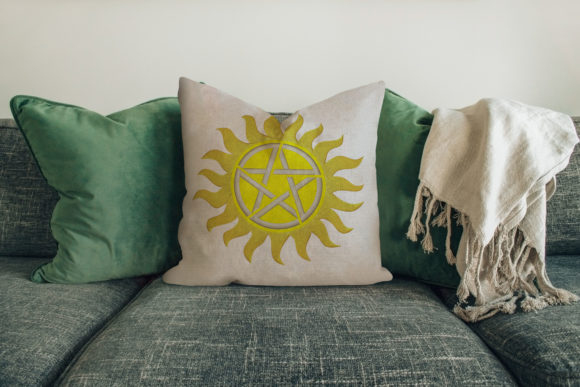
- Pillow Covers and Home Decor: Centered on a square cushion, the symmetrical nature of a face design creates a balanced, professional look that elevates the perceived value of the finished product.
Production Practicality and Batch Efficiency
For a small shop product, time is money. I evaluated Fox Face based on how quickly I could produce it in batches. The design appears to have clean lines and manageable color changes. However, before committing to a full run, you must check the specific stitch density. If the design is too dense, it will cause puckering on lighter fabrics like tea towels or thin cotton totes. Conversely, if it is too sparse, the backing fabric might show through, especially on dark materials.
The availability of multiple embroidery file formats is a major advantage here. With support for 10O, ART, CND, DSB, DST, DSZ, EXP, HUS, JEF, PCS, PEC, PES, TAP, VIP, VP3, and XXX, this digital embroidery file is compatible with almost every major machine brand. Whether you run a Brother, Janome, Husqvarna, or Bernina, you can likely load the correct format without needing third-party conversion software, which preserves stitch integrity.
Photography is another critical factor. Does the design photograph well? Yes. High-contrast designs like a fox face tend to pop in photos, making them ideal for printable mockup creation and online listings. Clear, bold shapes translate well to thumbnail images on mobile devices, where most Etsy sellers get their traffic.
Careful-Use Notes and Technical Considerations
While the design is promising, there are technical pitfalls to avoid. Here are my practical notes for ensuring quality control:
- Fabric Texture: Avoid using this design on highly textured towels unless you use a strong cut-away stabilizer. The loops of the towel can obscure fine details in the fox’s eyes or fur texture.
- Thread Colors: Stick to traditional orange, white, and black threads for instant recognition. Experimenting with non-traditional colors might confuse the viewer, reducing the "at-a-glance" appeal.
- Small Details: If you plan to shrink the design for a small pouch or baby item, ensure the eyes and nose do not merge. Tiny details can become blobby stitches if the design is scaled down beyond its intended limits.
- Dark Fabric: When embroidering on navy or black fabric, ensure the design includes enough light-colored stitching or consider using a white underlay to prevent the dark fabric from dulling the vibrancy of the orange threads.
- Curved Surfaces: As mentioned, caps require careful hooping. Use a curved cap frame if available, and ensure the design is centered perfectly to avoid a skewed appearance.
Enhancing Brand Consistency and Buyer Engagement
Incorporating Fox Face into your lineup helps build brand consistency if you specialize in nature or woodland themes. It signals to your customers that you curate cohesive collections rather than random items. This coherence builds trust and encourages repeat business. At a craft fair, a display featuring multiple items with the same motif—such as a tote, a patch, and a pillow—creates a visually striking "wall" of product that draws people in.
Buyer engagement increases when customers can see the versatility of a design. By displaying the fox on different items, you help them visualize how it would fit into their own lives. A customer might come in for a gift and leave with a tote for themselves because they saw how durable and stylish the craft fair product looked in person.
Final Designer Recommendations
Before you launch this design into your commercial embroidery lineup, take these final steps. First, always test the design on scrap fabric identical to your final product material. Check the back of the hoop for excessive thread buildup or loose jumps. Second, confirm the hoop size requirements. Ensure your machine can accommodate the largest version of the design if you plan to make large totes. Third, verify the licensing terms. While many designers allow commercial use for finished physical products, rules vary regarding digital resale or mass production limits.
Create at least one real-world mockup or sample item to keep on your display table. Physical samples sell far better than digital images alone. Let customers touch the fabric texture and see the stitch quality up close. If the Fox Face design holds up to scrutiny in person, maintains its clarity, and stitches out cleanly, it is a worthy addition to any handmade business. It offers the right mix of charm, professionalism, and production efficiency to become a staple in your shop.