Ocean Liner Ship: A Designer’s Review for Embroidery
As an embroidery designer who spends countless hours digitizing and testing designs, I am always on the lookout for machine embroidery patterns that offer both aesthetic appeal and technical reliability. Recently, I evaluated the Ocean Liner Ship design available on Creative Fabrica. This review is based on a thorough analysis of the file specifications and its potential application in real-world handmade projects. Whether you are an Etsy seller, a boutique owner, or a hobbyist looking to elevate your custom apparel, understanding the nuances of this Transportation-themed piece is essential before you hit download.
First Impressions and Visual Appeal
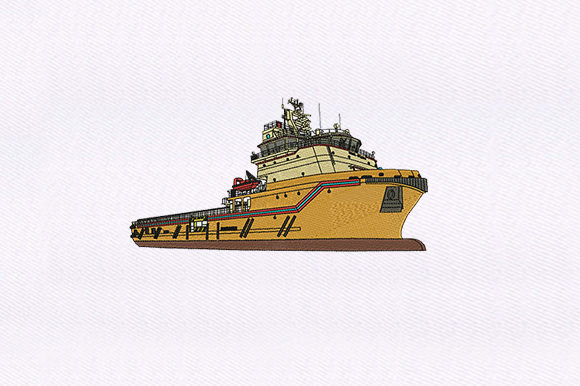
The first thing that strikes you about the Ocean Liner Ship is its classic maritime charm. It captures the grandeur of vintage sea travel, making it an ideal choice for nautical-themed collections. The design measures 9.76 inches in width and 5.07 inches in height, fitting perfectly into a standard 6×10 hoop. With a stitch count of 40,679, this is not a lightweight sketch; it is a substantial piece of Embroidery art that demands attention.
The visual mood is sophisticated yet playful. It does not rely on overly complex shading that might get lost in thread texture. Instead, it uses clean lines and balanced fill areas to create a recognizable silhouette of a luxury liner. For designers, this means the image translates well from screen to fabric without losing its identity. The decorative appeal is strong, suggesting immediate use for summer collections, coastal decor, or gifts for travel enthusiasts.
Technical Specifications and File Compatibility
One of the strongest advantages of purchasing from Creative Fabrica is the variety of formats provided. The Ocean Liner Ship comes in ten different file formats: 10O, ART, CND, DSB, DST, DSZ, EXP, HUS, PCS, PES, TAP, VIP, VP3, and XX. This extensive list ensures compatibility with almost every major embroidery machine brand, from Brother and Babylock to Janome and Husqvarna Viking.
For those of us managing a digital library, having access to DST and PES files is crucial for broad machine support. The stitch count of 40,679 indicates a moderate density. It is dense enough to provide good coverage and a premium feel, but not so dense that it will cause excessive puckering on standard woven fabrics if stabilized correctly. However, because it is a larger design, it requires careful planning regarding hoop placement and stabilizer choice.
Real-World Project Applications
When considering where to use this machine embroidery design, the possibilities are vast. Here is how I envision it performing in various commercial and personal projects:
- Tote Bag Design: This is perhaps the most natural fit. A canvas tote bag provides the sturdy surface needed for a design of this size. The nautical theme pairs beautifully with navy or white cotton canvas, creating a chic, beach-ready accessory.
- Sweatshirt Embroidery: Placing the ship on the back of a crewneck sweatshirt creates a bold statement piece. The 6×10 hoop size is perfect for upper-back placement. Ensure you use a cut-away stabilizer to support the weight of the stitches on knit fabric.
- Pillow Covers and Nursery Decor: For a child’s room or a coastal living space, this design works wonderfully on linen or cotton pillowcases. It adds a touch of whimsy without being overly childish.
- Custom Apparel and Aprons: Imagine this on a denim apron for a seaside café or a boutique hotel staff uniform. It elevates the garment from generic to branded and professional.
- Embroidered Patch: If you have a multi-needle machine or enjoy making patches, this design can be stitched out on twill, cut out, and heat-pressed onto hats or jackets. This allows for versatility in product offerings.
Practical Considerations for Stitching
While the design is beautiful, successful execution depends on technical precision. Here are key factors to consider before stitching your final finished product:
Stabilizer Selection: Given the stitch count and size, a medium-weight cut-away stabilizer is recommended for stretchy fabrics like sweatshirts or jerseys. For woven fabrics like tote bags or aprons, a tear-away stabilizer may suffice, but a mesh cut-away will provide better long-term durability, especially if the item will be washed frequently.
Fabric Choice: Avoid very thin or slippery fabrics unless you are experienced with hooping techniques using water-soluble stabilizers. The design’s width of nearly 10 inches requires a flat, stable surface to prevent distortion. Denim, canvas, linen, and heavy cotton are ideal candidates.
Thread Colors: The design likely relies on contrast to define the ship’s structure. When selecting thread colors, consider the fabric background. On dark navy fabric, use bright whites, creams, or metallic golds to make the ship pop. On light fabrics, traditional navy, black, or deep red threads will provide a classic look. Always stitch a test sample to check color contrast and tension.
Hoop Size and Placement: Confirm that your machine can handle a 6×10 hoop. If you are working on a curved surface like a cap, this design is too large for standard front-panel cap embroidery unless you are doing a full-front wrap, which is technically challenging. It is best suited for flat surfaces.
Enhancing Product Value and Brand Consistency
Using high-quality design assets like the Ocean Liner Ship can significantly impact your brand perception. A clean, well-digitized design signals professionalism to buyers. When you present a personalized gift or a commercial embroidery item with crisp stitching and no thread breaks, you build trust.
For Etsy sellers and small business owners, this design offers excellent photogenic potential. The distinct shape makes it easy to create attractive printable mockup images for your online store. Consistent use of thematic designs helps in building a cohesive collection. If you specialize in travel or nautical goods, this piece becomes a cornerstone of your inventory.
Final Recommendations and Licensing
Before you begin production, always review the licensing terms on the Creative Fabrica product page. Most designs allow for the sale of physical finished items, but restrictions may apply to digital resale or mass production limits. Ensure you are compliant to protect your business.
My advice is to start with a test stitch on scrap fabric similar to your final material. Check for any thread breaks or nesting issues. Inspect the small details after stitching to ensure clarity. If the satin stitches are too wide for your thread type, adjust your tension or switch to a higher quality rayon or polyester thread.
In conclusion, the Ocean Liner Ship is a versatile and robust addition to any embroidery library. It balances detail with stitch efficiency, making it suitable for a wide range of handmade products. Whether you are creating a unique tote bag design for a summer market or adding flair to custom apparel, this design delivers the quality needed for professional results. By paying attention to stabilizer choice and fabric compatibility, you can maximize the potential of this digital embroidery file and create items that customers will love.