Carriage Cowboys: A Designer’s Review for Real Projects
As an embroidery designer who spends countless hours digitizing and testing files, I approach every new download with a critical eye. We all know the struggle of finding a machine embroidery design that looks stunning on screen but translates poorly to fabric. Recently, I evaluated Carriage Cowboys from Creative Fabrica, specifically looking at its potential for commercial use in my small business. This review breaks down whether this Transportation-themed Embroidery asset is worth your time and hoop space.
First Impressions and Visual Appeal
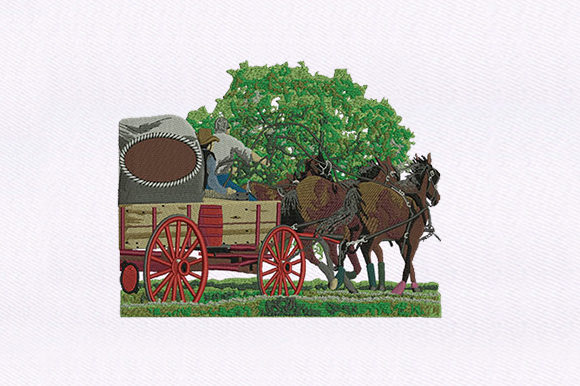
The first thing that struck me about Carriage Cowboys was its nostalgic charm. It captures a specific Western aesthetic that blends historical transportation with rugged cowboy culture. For designers targeting the rustic, farmhouse, or Western niche, this visual mood is incredibly potent. The detail level appears robust, suggesting a design that relies on a mix of texture and shape rather than just simple outlines.
When I zoomed in on the preview images, I looked for the "stitching personality." Does it look like a flat print, or does it have dimension? Carriage Cowboys seems to utilize varied stitch types to create depth. The carriage elements likely require precise fill stitch work to convey the wood and metal textures, while the cowboy figures may utilize satin stitch borders to keep edges crisp. This combination is essential for a handmade product that feels premium rather than mass-produced.
Technical Specifications and File Compatibility
Before loading any file into my machine, I check the technical specs. Carriage Cowboys is provided as a digital embroidery file compatible with a wide range of machines. The available formats include 10O, ART, CND, DSB, DST, DSZ, EXP, PES, TAP, VIP, and VP3. This broad compatibility is a huge plus for studios running mixed equipment, from older Brother models to modern Janome or Bernina setups.
The designated hoop size is 8×10 inches (203.2×161.7 mm). This is a crucial detail. An 8×10 hoop is larger than the standard 5×7 but smaller than the massive 14×14 hoops. This size is ideal for statement pieces like tote bags, pillow covers, or adult sweatshirts, but it rules out small items like baby bibs or standard caps unless you have a multi-positioning capability or a smaller version is included (which you must verify on the product page). With 119,053 stitches, this is a dense, substantial design. It is not a quick 15-minute stitch-out; it is a project piece.
Real-World Application: Where Does It Fit?
I imagined several scenarios for using Carriage Cowboys in a real customer order. Here is how I see it performing across different products:
- Tote Bag Design: Canvas totes are perfect for this hoop size. The heavy fabric supports the high stitch density without puckering. This would make an excellent market bag for farmers' markets or book fairs.
- Sweatshirt Embroidery: Placing this on the back of a hoodie or the front of a crewneck creates a high-value custom apparel item. The Western theme is trending, making this a strong seller for boutique merchandise.
- Pillow Covers: For home decor, this design fits beautifully on square throw pillows. It adds a focal point that elevates a living room or cabin interior.
- Embroidered Patch: If you stabilize correctly, you can stitch this on twill and cut it out to create an iron-on or sew-on patch. This extends the life of the design beyond direct garment application.
For Etsy sellers and craft fair vendors, the versatility of this applique design or full-fill design allows for diverse inventory. It appeals to history buffs, Western enthusiasts, and those who love vintage transportation aesthetics.
Practical Challenges and Solutions
Working with a design of this magnitude requires preparation. Here are the practical issues I anticipate and how to solve them:
Fabric Selection and Stabilization
With over 119,000 stitches, the pull on the fabric will be significant. Do not attempt this on lightweight cotton or flimsy rayon without heavy support. I recommend using a cut-away stabilizer for knit fabrics like sweatshirts to prevent distortion after washing. For woven fabrics like canvas or denim, a heavy tear-away might suffice, but test first. If you are stitching on textured fabric, ensure your needle is sharp enough to penetrate without causing skips.
Density and Thread Breaks
High stitch counts often mean dense areas where threads can bunch up. Check your tension settings before starting. Using high-quality polyester thread is advisable for its strength and sheen. If the design includes tiny lettering or intricate details, inspect them closely after a test run. Sometimes, digital previews hide how small certain elements become when stitched out. If the details are too fine, they may get lost in the fabric pile or break during wear.
Dark vs. Light Fabrics
Consider your thread colors carefully. On dark fabrics, you may need to adjust the color palette to ensure contrast. A printable mockup can help visualize this, but nothing beats a physical test. Stitch a sample on scrap fabric similar to your final product. This helps you confirm that the running stitch underlays are sufficient to anchor the design without showing through the top stitches.
Enhancing Product Value and Brand Trust
Using a well-executed design like Carriage Cowboys directly impacts your brand perception. When customers see clean, dense stitching with no gaps or bird nests, they trust the quality of your finished product. This trust leads to repeat buyers and positive reviews.
For commercial embroidery, consistency is key. If you plan to sell this as a personalized gift, ensure that any added text complements the main design without overcrowding it. The 8×10 hoop leaves some room for customization, but be mindful of the existing stitch count. Adding too much extra text can increase production time and risk alignment errors.
Photography plays a huge role here. The intricate details of the carriage and cowboy elements provide great texture for product photos. Close-up shots highlighting the stitch quality can significantly boost engagement on social media and Etsy listings. Show the back of the embroidery too; a clean backing signals professionalism.
Final Verdict and Licensing Notes
Is Carriage Cowboys worth downloading? For designers focusing on Western, rustic, or historical themes, yes. It offers a substantial, eye-catching motif that fits well on mid-to-large garments and home decor items. The variety of file formats ensures accessibility, and the 8×10 size is versatile for many popular products.
However, always verify the license terms on the Creative Fabrica product page. While most designs allow for commercial use of finished physical items, restrictions may apply to digital resale or mass production limits. Never assume; always read the specific license included with the design assets.
Before committing to a large batch of customer orders, stitch out one test piece. Check for thread breaks, registration issues, and fabric puckering. Once you dial in your stabilizer and tension, Carriage Cowboys can be a standout addition to your portfolio, helping you create unique, high-quality handmade gifts that customers will cherish.