Phoenix Symbol: A Designer’s Review for Branded Merch
As an embroidery designer who has spent years digitizing and reviewing files for commercial use, I approach every new machine embroidery design with a critical eye. It is not just about whether the image looks pretty on a screen; it is about how that design translates into thread on fabric. Recently, I evaluated the Phoenix Symbol, a digital file marketed for small business merchandise and branded patch use. For boutique owners, Etsy sellers, and apparel decorators, understanding the practical application of this design is crucial before adding it to your product line.
First Impressions and Visual Personality
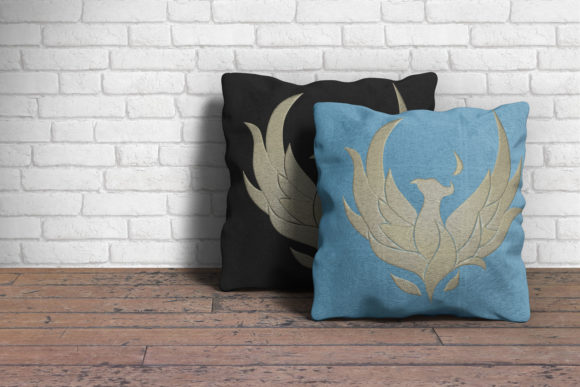
The Phoenix Symbol immediately strikes a balance between boldness and elegance. In the realm of Birds and nature-inspired motifs, phoenix imagery can often become overly complex, resulting in messy stitching. However, this specific design appears to prioritize clarity. The description notes that it is "digitized by hand," which is a significant indicator of quality. Hand-digitizing allows for better control over pull compensation and stitch direction, ensuring the final finished product looks professional rather than amateurish.
Visually, the design feels premium and symbolic. It carries a sense of rebirth and resilience, making it an excellent choice for brands that want to convey strength or transformation. Whether you are running a creative studio, a wellness brand, or a local bakery that prides itself on artisanal quality, the aesthetic fits well within a modern yet classic framework. It is decorative enough to stand alone as a focal point but structured enough to serve as a subtle brand marker.
Real-World Applications for Small Business Merch
For small business owners, versatility is key. You need assets that work across various mediums without losing their impact. Here is how the Phoenix Symbol performs in real-world scenarios:
- Embroidered Patches: This is perhaps the strongest use case. Because the design is available in six sizes, you can scale it down for a chest patch or up for a back panel. A well-digitized phoenix makes for a high-value add-on item that customers love to collect.
- Staff Uniforms and Aprons: For cafes and florists, apron embroidery adds a touch of sophistication. Placing the Phoenix Symbol on the upper left chest of a canvas apron creates a cohesive look that elevates the perceived value of the service.
- Cap Embroidery: Caps require designs with clean lines and minimal underlay exposure. If the digitizing handles the curves of the phoenix’s wings correctly, this symbol works beautifully on the front panel of a dad hat or trucker cap.
- Tote Bag Design: Canvas tote bags are staples for handmade brands. The bold lines of the phoenix contrast well against natural cotton textures, making it a standout tote bag design for retail packaging or customer gifts.
When used in commercial embroidery projects, such as bulk orders for corporate events or team uniforms, the design’s scalability is a major asset. Being able to choose from six different sizes means you can adapt the same brand identity element to everything from a small pocket logo to a large statement piece on a sweatshirt.
Technical Considerations and Stitch Quality
While the visual appeal is strong, technical execution determines longevity. The product description mentions it is a "high quality embroidery design" suitable for pillows, t-shirts, and sweatshirts. However, experienced designers know that fabric texture plays a massive role in outcome.
Stitch density is a critical factor here. Phoenix feathers can easily become dense clusters of thread if not carefully managed. If the density is too high, the fabric may pucker, especially on lighter materials like standard t-shirt jersey. Conversely, if the density is too low, the design may look sparse on thicker fabrics like fleece or denim. Before running a full production batch, I always recommend testing the embroidery file on the exact fabric you intend to use.
Another consideration is the hoop size. Ensure that the size you select from the six available options fits comfortably within your machine’s hoop without requiring excessive re-hooping, which can lead to alignment issues. For curved surfaces like caps, using the appropriate stabilizer is non-negotiable to prevent distortion of the phoenix’s intricate details.
Where to Use Caution
Not every application is ideal. While the Phoenix Symbol is versatile, there are areas where you should proceed with care:
- Very Small Sizes: If you scale the design down too much for a tiny label or a small patch, fine details in the wings or tail feathers may merge. Always check the preview at 100% zoom to ensure lines remain distinct.
- Dark Uniforms: If you are embroidering on black or navy staff shirts, ensure you have high-contrast thread colors. A dark red phoenix on a black shirt may lack definition. Consider using metallic or lighter accent threads to make the symbol pop.
- Textured Fabrics: Highly textured fabrics, such as rough linen or heavy wool, can obscure detailed stitching. Test the design on these materials to see if the symbolism remains clear or if it gets lost in the weave.
- Frequent Washing: Items like work aprons and tote bags undergo rigorous washing. Verify that the digitizing includes sufficient tie-offs and secure start/stop points to prevent unraveling over time.
Enhancing Brand Identity and Customer Trust
In today’s market, small business merch is more than just swag; it is a tangible extension of your brand identity. Using a consistent, high-quality symbol like the Phoenix helps build recognition. When customers see the same well-executed emblem on your packaging, your website, and their purchased apparel, it reinforces professionalism and trust.
A poorly digitized logo can detract from a brand’s image, suggesting a lack of attention to detail. Conversely, a crisp, clean Phoenix Symbol signals quality. It tells the customer that you care about the presentation of your handmade product. This perception of value can justify higher price points for custom apparel and accessories.
Furthermore, having a versatile design allows for cohesive marketing campaigns. You can create a printable mockup showing the phoenix on various items—mugs, shirts, bags—to showcase your brand’s lifestyle appeal on social media. This visual consistency drives buyer engagement and makes your shop appear more established and reliable.
Practical Designer Notes for Production
Before you purchase and produce, here are my top recommendations for getting the best results with this digital embroidery file:
- Test in Black and White: Before committing to colorful threads, stitch out the design in black thread on white fabric. This reveals any gaps, overlaps, or density issues without the distraction of color.
- Check Commercial Licensing: Always confirm the license terms. Ensure that the file allows for the number of physical items you plan to sell. Some licenses have limits on production runs.
- Create Client Mockups: If you are offering this as a customization option for clients, create realistic mockups. Show them how the phoenix looks on a cap versus a tote bag to help them visualize the custom apparel outcome.
- Compare Design Assets: Place the Phoenix Symbol next to your existing logos or fonts. Ensure the style complements your other design assets for a unified brand look.
- Verify File Formats: The description states these are digital files, but check which formats are included (PES, DST, JEF, etc.) to ensure compatibility with your specific embroidery machine.
In conclusion, the Phoenix Symbol is a promising addition to any embroidery designer’s library. Its hand-digitized nature and multiple size options make it a flexible tool for creating high-quality small business merch. By paying attention to fabric choice, stabilizer use, and scale, you can leverage this design to create stunning patches, uniforms, and accessories that elevate your brand and delight your customers.