Weimaraner Dog Redwork: A Designer’s Review for Business Merch
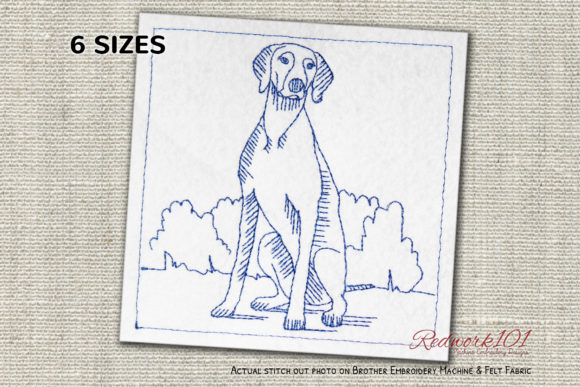
As an embroidery designer who has spent years digitizing and testing files for commercial use, I approach every new machine embroidery design with a critical eye. It is not just about whether the image looks cute on a screen; it is about how that design performs when stitched out on real fabric, under the pressure of a production deadline, for a client who needs their brand to look professional. Today, I am reviewing Weimaraner Dog Redwork, a design that holds significant potential for small business owners, particularly those in the pet industry, boutique retail, or creative services.
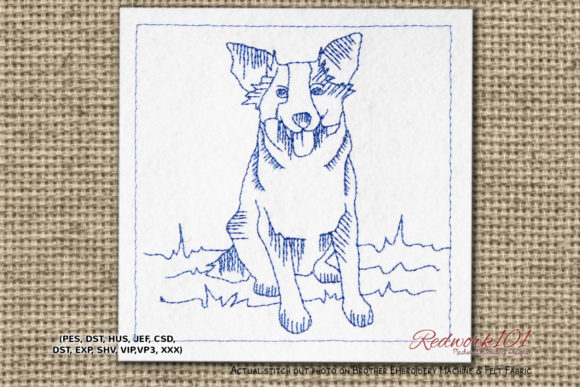
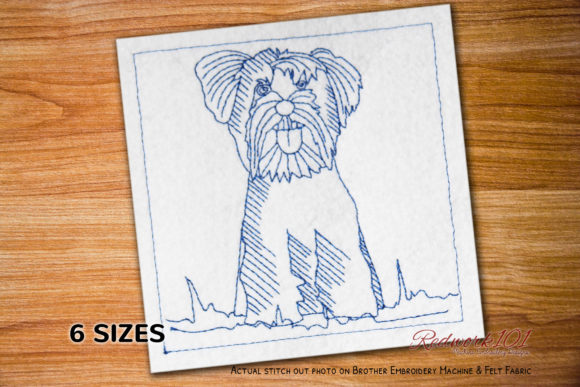
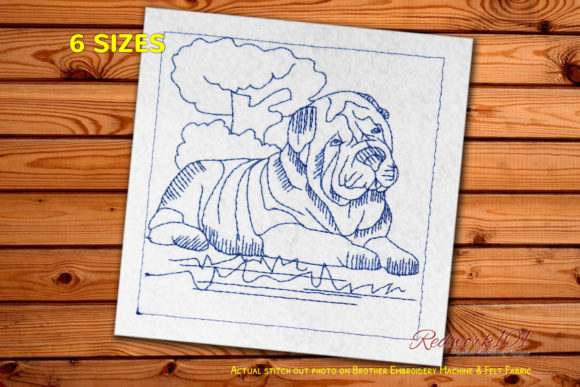
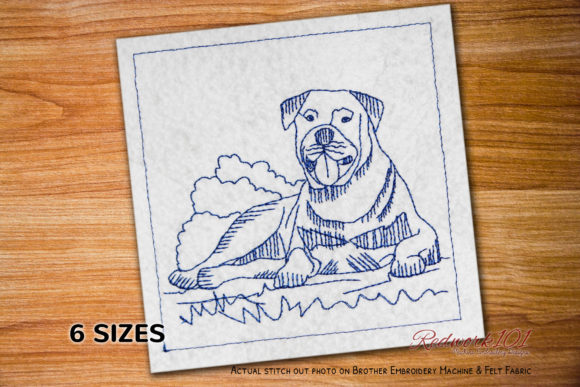
The first impression of Weimaraner Dog Redwork is one of classic elegance mixed with rustic charm. Redwork, by definition, relies on single-color stitching, often using a deep red thread on natural or white backgrounds. This technique harkens back to traditional quilting and folk art, giving the design a handmade, authentic feel. For a modern brand, this can be a powerful differentiator. In a market saturated with full-color, high-density digital prints, a clean redwork silhouette stands out as sophisticated and understated. It feels premium without being loud, making it an excellent choice for brands that value heritage, craftsmanship, or a cozy, welcoming atmosphere.
Real-World Applications for Small Business Merchandise
When evaluating Weimaraner Dog Redwork for commercial embroidery projects, versatility is key. This design is not limited to a single application. Here is how I envision it performing across various product lines for small business merch:
- Embroidered Patches: The clean lines of redwork translate beautifully to patches. Whether you are creating iron-on badges for a local dog walking service or woven-style aesthetic patches for a pet boutique, the singular color focus ensures clarity even at smaller sizes.
- Staff Uniforms and Aprons: For cafés, bakeries, or florists that are pet-friendly or have a mascot, this design works exceptionally well on apron embroidery. Placed on the chest pocket or the upper left chest, it adds a touch of personality to staff uniforms without looking cluttered.
- Cap Embroidery: Caps are tricky due to the curved surface and limited space. However, because Weimaraner Dog Redwork likely features open spaces and defined outlines rather than solid fills, it avoids the puckering issues common with dense designs. It serves as a subtle yet recognizable logo accent on the front panel or side.
- Tote Bag Design: Canvas tote bags are a staple for handmade product lines. A large-scale version of this design centered on a natural cotton tote creates an instant bestseller. The contrast of red thread against beige canvas is visually striking and highly Instagrammable.
- Branded Product Add-ons: Consider using this as a label accent on packaging for dog treats, grooming products, or artisanal goods. It elevates the perceived value of the finished product by adding a tactile, embroidered element.
Navigating Technical Constraints and Fabric Choices
While the aesthetic appeal is strong, we must address the technical realities of production. The product description notes that "The Box Stitch shown in picture is optional" and that "The color of outer Box is different color in most of the designs unless it is part of the design itself, you can skip the color directly in." This flexibility is a double-edged sword that requires careful management.
First, consider the stitch density. Redwork designs typically have lower density than fill-stitch logos, which is great for lightweight fabrics but can sometimes lack presence on heavy materials like denim or thick canvas. If you are using this for custom apparel made from heavier weights, you may need to adjust your stabilizer strategy. A cut-away stabilizer is often recommended to prevent distortion, especially if the design is scaled up significantly.
Second, the optional box element requires decision-making before you hit "start" on your machine. If your goal is a minimalist look, skipping the box is advisable. However, if you are creating an embroidered patch with a merrowed edge, the box might interfere with the border. Always test the design with and without the box to see which framing better suits your brand identity.
Fabric texture also plays a crucial role. On smooth cotton or linen, the lines will be crisp. On textured fabrics like terry cloth towels or fuzzy fleece, fine redwork lines can get lost. For such items, I recommend increasing the stitch length slightly or choosing a thicker thread weight to ensure visibility. Additionally, when working with dark uniforms, the traditional red thread may not provide enough contrast. In these cases, consider switching to white or gold thread while maintaining the redwork style, ensuring the design remains legible and professional.
Enhancing Brand Identity and Customer Trust
Why choose Weimaraner Dog Redwork over a generic clipart logo? The answer lies in brand perception. Consumers today crave authenticity. A digitally printed logo can feel mass-produced, but embroidery signals quality and attention to detail. By incorporating this design into your small business merch, you are signaling that you care about the tactile experience of your customers.
For Etsy sellers and crafters, this design serves as a versatile design asset. It can be used to create cohesive collections—matching tote bags, aprons, and patches—that strengthen visual consistency. When customers see the same high-quality embroidered motif across different products, it builds trust and recognition. It transforms a simple transaction into a branded experience.
Moreover, the specific subject matter—the Weimaraner—appeals to a passionate niche. Dog owners are incredibly loyal to brands that celebrate their pets. Using a breed-specific design allows you to target this demographic effectively, whether you are selling general pet accessories or specialized gear for Weimaraner owners. This specificity can drive higher engagement and conversion rates compared to generic dog imagery.
Practical Designer Notes for Production
Before you integrate Weimaraner Dog Redwork into your production workflow, follow these essential steps to ensure a flawless finished product:
- Test in Black and White First: Before committing to colored thread, stitch the design out in black thread on white fabric. This allows you to evaluate the clarity of the lines and the balance of the composition without the distraction of color.
- Check Scalability: Verify how the design looks at its smallest intended size, such as on a hat or a small patch. Ensure that fine details do not merge or become indistinct. If the design becomes muddy at small sizes, it may not be suitable for all applications.
- Review Thread Color Contrast: Select thread colors that contrast sharply with your base fabric. Traditional red on cream is classic, but consider navy on white or white on navy for a modern twist.
- Confirm Hoop Size and Stabilizer: Check the required hoop size for the design file. Ensure you have the appropriate hoop available and use a high-quality stabilizer suited to your fabric type to prevent puckering.
- Create a Printable Mockup: Use a printable mockup to visualize the design on various products before stitching. This helps in marketing and client approval processes, saving time and materials.
- Verify Commercial Licensing: As a digital embroidery file buyer, always confirm the license terms. Ensure you have the right to use the design for commercial purposes, especially if you are selling the embroidered items online or in-store.
In conclusion, Weimaraner Dog Redwork is a robust addition to any embroidery designer’s library. It bridges the gap between traditional craft and modern branding, offering a versatile solution for commercial embroidery needs. By understanding its technical requirements and leveraging its aesthetic strengths, small business owners can create memorable, high-value merchandise that resonates with customers. Whether used for a subtle cap accent or a bold tote bag statement, this design proves that simplicity, when executed well, is the ultimate sophistication.