Espresso Coffee: A Designer’s Review for Branded Merch
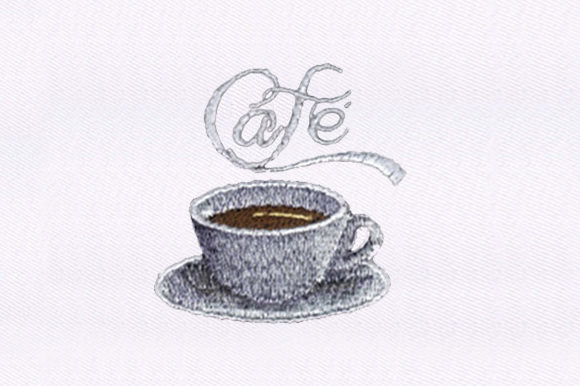
As an embroidery designer who has spent years digitizing and testing files for commercial use, I approach every new machine embroidery design with a critical eye. It is not just about whether the image looks cute on a screen; it is about how it translates into thread, how it holds up on fabric, and ultimately, how it serves the brand identity of the business using it. Recently, I reviewed the Espresso Coffee design, a digital asset categorized under Food and Embroidery, to determine its viability for small business merchandise and branded patch applications.
The first impression of Espresso Coffee is one of warmth and artisanal charm. In the world of café culture and boutique retail, this aesthetic is invaluable. The design does not scream for attention with aggressive boldness; instead, it offers a friendly, rustic elegance that feels handmade and premium. For coffee shops, bakeries, or lifestyle brands, this visual personality aligns perfectly with a customer base that values craftsmanship and comfort. However, a pretty picture is not enough. We must evaluate its performance in real-world production environments.
Commercial Viability for Small Business Merchandise
For Etsy sellers, apparel decorators, and creative studios, the versatility of a design determines its return on investment. Espresso Coffee shines when applied to specific product categories where the "handmade" narrative is strong. I envision this design working exceptionally well as an embroidered patch. Patches are currently trending in the custom apparel market, allowing businesses to add removable branding to denim jackets, canvas totes, or work aprons without committing to permanent embroidery on delicate fabrics.
When considering staff uniforms, this design is ideal for apron embroidery. A barista wearing an apron with a subtle, well-digitized coffee motif projects professionalism and attention to detail. It transforms a standard uniform into a piece of branded merchandise that customers notice and trust. Similarly, for tote bag design applications, the organic feel of the coffee theme complements natural fibers like cotton or canvas. It serves as a walking advertisement for the brand, reinforcing the connection between the product and the lifestyle of the consumer.
Cap embroidery presents another lucrative avenue. A small, clean version of Espresso Coffee on the front panel of a dad hat or trucker cap can serve as a minimalist logo accent. This is particularly effective for local businesses looking to create limited-edition merch drops. The key here is scale. The design must be legible at a smaller size to maintain its impact on the curved surface of a cap. If the details are too fine, they may get lost, so reviewing the stitch density and spacing is crucial before final production.
Navigating Technical Challenges in Production
While the aesthetic appeal is high, any experienced embroiderer knows that technical execution makes or breaks the finished product. When working with Espresso Coffee, there are specific areas where caution is required. One major consideration is stitch density. Food-themed designs often rely on shading to depict steam, liquid, or texture. If the digitizer has used high stitch density to achieve this, it can cause puckering on lightweight fabrics or create a stiff, cardboard-like feel on patches.
I recommend testing the design on the actual fabric intended for production. Textured fabric, such as terry cloth towels or rough canvas, may require adjustments in underlay stitching to ensure the top threads sit correctly. For dark uniforms, thread color contrast becomes a critical factor. If the design relies on subtle brown tones, it may disappear against a black or navy background. In such cases, adding a satin stitch border or adjusting the thread palette to include lighter creams or whites can enhance visibility and definition.
Another potential pitfall is small patch sizes. If you intend to use Espresso Coffee as a tiny chest logo or a sleeve detail, you must verify that the intricate elements do not collapse. Tiny lettering or fine outlines can easily bunch up if the hoop size is not stabilized correctly. Always use proper stabilizer—cut-away for stretchy fabrics and tear-away for stable wovens—to support the stitches during the machine run. Before committing to a large batch, create a printable mockup and then a physical sample to inspect the spacing and thread tension.
Enhancing Brand Identity and Customer Trust
Beyond the technical aspects, we must consider how Espresso Coffee impacts brand identity. Consistency is key in building customer trust. If your brand values are centered around quality, sustainability, and community, this design reinforces those messages through its classic and decorative style. It avoids the cheap, clip-art look that can detract from a brand’s perceived value. Instead, it offers a polished, professional appearance that elevates the perceived quality of the merchandise.
For handmade product lines, the presence of high-quality embroidery signals effort and care. Customers are more likely to engage with and purchase items that feel unique and thoughtfully designed. Whether used as a product packaging accent or a standalone gift item, the design acts as a touchpoint for buyer engagement. It invites conversation and creates an emotional connection, which is essential for small businesses competing in a saturated market.
Furthermore, using a cohesive set of design assets helps maintain visual consistency across different platforms. If Espresso Coffee matches the tone of your other marketing materials, it strengthens brand recognition. When customers see the same high-quality emblem on your website, your social media, and their physical purchase, it builds a sense of reliability and professionalism.
Practical Notes for the Embroidery Professional
Before launching this design into your commercial embroidery workflow, there are several practical steps I advise taking. First, check the available embroidery file formats. The Espresso Coffee design comes in a wide variety of formats, including 10O, ART, CND, DSB, DST, DSZ, EXP, HUS, JEF, PCS, PEC, PES, TAP, VIP, VP3, and XXX. This extensive list ensures compatibility with most major embroidery machines, from Brother and Janome to Bernina and Husqvarna. However, always confirm that your specific machine software can read the chosen format without conversion errors, which can sometimes alter stitch paths.
Second, review the license terms. As a digital embroidery file buyer, you must confirm commercial licensing before business use. Ensure that the file allows for unlimited productions or if there are restrictions on the number of units you can sell. This is vital for scaling your small business merch operations without legal concerns.
Third, conduct a thorough test run. Start by stitching the design in black and white thread. This removes the distraction of color and allows you to focus purely on the structure, spacing, and registration of the stitches. If the design holds up well in monochrome, it will likely perform well in color. Check for any thread breaks or nesting issues, which can indicate problems with stitch density or pathing.
Finally, compare Espresso Coffee beside other design assets in your library. Does it complement your existing collection? Does it offer something new in terms of style or application? By integrating it thoughtfully into your product line, you can maximize its potential as a versatile and profitable addition to your catalog.
In conclusion, Espresso Coffee is a strong contender for businesses looking to add a touch of artisanal warmth to their merchandise. With careful attention to technical details like stabilizer choice, thread contrast, and hoop size, it can produce stunning results on patches, caps, aprons, and tote bags. For the discerning embroidery designer and small business owner, it represents not just a pattern, but a tool for building a stronger, more recognizable brand identity.