Windmill Applique: A Designer’s Review
As an embroidery designer who spends countless hours digitizing and testing files, I approach every new download with a critical eye. We all know the struggle of finding a machine embroidery design that not only looks charming in a thumbnail but actually stitches out cleanly on real fabric. Recently, I explored the Windmill Applique available on Creative Fabrica, specifically looking at its potential for my upcoming spring collection. This review is based on my professional assessment of the design’s structure, aesthetic appeal, and practical application for handmade businesses.
First Impressions and Visual Mood
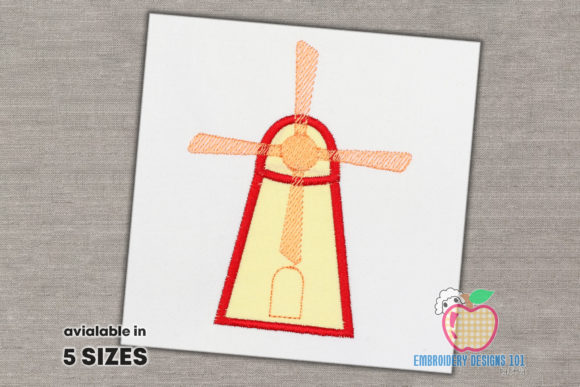
The moment I opened the preview for Windmill Applique, I was drawn to its whimsical yet structured aesthetic. Falling under the Cities category, this design captures a rustic, countryside vibe that feels timeless rather than trendy. For those of us creating embroidered patch collections or seasonal home decor, this mood is incredibly versatile. The visual balance between the solid base and the rotating blades suggests a playful interactivity, even when static.
What stands out immediately is the clarity of the applique design structure. Unlike complex free-standing lace or dense photo-realistic digits, this piece relies on clean shapes and defined edges. The separation of steps by color changes, as noted in the product description, indicates a thoughtful digitizing process. This is crucial for efficiency in a production environment. When I am fulfilling orders for custom apparel or batch-producing items for craft fairs, minimizing thread trims and manual interventions is key to maintaining profitability.
Performance in Real-World Projects
I evaluated how Windmill Applique would perform across various substrates commonly used in small business operations. Here is where the design truly shines for Creative Fabrica embroidery users:
- Tote Bag Design: The bold lines of the windmill translate beautifully onto canvas or heavy cotton totes. The applique technique adds texture without excessive bulk, making the bag functional and stylish.
- Sweatshirt Embroidery: On fleece or French terry, applique is often superior to full fill stitches because it prevents the garment from becoming stiff. This design sits flat and comfortable, ideal for cozy, personalized wear.
- Kitchen Towels and Aprons: For items that undergo frequent washing, the secure stitching of an applique holds up better than delicate satin borders alone. It adds a charming, farmhouse touch to culinary textiles.
- Nursery Decor: The gentle imagery fits perfectly into baby blankets or pillow covers. However, care must be taken with thread choices to ensure softness against sensitive skin.
For Etsy sellers and boutique owners, this versatility means one purchase can yield multiple product lines. You can market the same digital embroidery file output as a rustic home accent, a child’s gift, or a quirky fashion statement, depending solely on your fabric choice and placement.
Technical Considerations for Stitching
While the design is appealing, technical execution determines the quality of your finished product. Since the product description states that the machine embroidery design comes with multiple file formats and is compatible with various machines, you have flexibility. However, there are critical factors to consider before hitting "start."
Fabric and Stabilizer Selection
Applique designs require precise stabilization. Because Windmill Applique involves layering fabric, using a cut-away stabilizer is recommended for stretchy fabrics like jersey or sweatshirt material to prevent distortion over time. For woven fabrics like linen or cotton twill, a tear-away may suffice, but always test first. The stitch density appears moderate, which is good for preventing puckering, but always hooping tightly is non-negotiable.
Hoop Size and Placement
Before purchasing, you must confirm the specific hoop size requirements on the Creative Fabrica product page. While many windmill designs fit standard 4x4 or 5x7 hoops, placing this on a curved surface like a cap requires careful positioning. If you intend to use this for commercial embroidery on caps, ensure the design width does not exceed the curvature limits of your cap frame to avoid needle breaks or registration issues.
Thread Colors and Contrast
The beauty of this design lies in contrast. A dark windmill blade on a light background fabric creates a striking silhouette. Conversely, tonal threading offers a subtle, sophisticated look suitable for high-end boutique merchandise. I advise reviewing the thread colors in your inventory against the design’s color stops. Since steps are separated by color changes, you have the opportunity to customize the look easily, swapping out traditional reds for muted earth tones to match current interior design trends.
Enhancing Product Value and Brand Consistency
In the competitive world of handmade goods, presentation is everything. Windmill Applique offers a distinct advantage in product photography. The textured layers of applique catch light differently than flat stitching, adding depth to your printable mockup images and real-life photos. This visual interest can significantly boost customer engagement on social media platforms.
Furthermore, using high-quality design assets like this builds buyer trust. When customers see clean edges, proper registration, and no loose threads, they perceive higher value. This perception allows you to price your handmade product more confidently. Whether you are selling a personalized gift for a housewarming or a branded uniform for a local cafe, the professionalism of the stitch-out reflects directly on your brand consistency.
Practical Steps Before Commercial Use
If you are planning to sell items made with Windmill Applique, follow these best practices to ensure quality and compliance:
- Test on Scrap Fabric: Always stitch a test sample on the exact fabric type you intend to sell. Check for puckering, thread breaks, or fabric shifting.
- Inspect Small Details: After stitching, examine the connection points between the applique fabric and the base. Ensure the tack-down stitches are secure and the satin or running stitch borders are smooth.
- Check Licensing Terms: Although Creative Fabrica generally offers commercial licenses, always read the specific license terms on the product page. Confirm that you are allowed to sell physical finished items made with the design.
- Verify File Formats: Ensure the downloaded zip file contains the correct format for your specific machine (e.g., PES, DST, JEF). The product description mentions multiple formats, but double-checking saves time.
- Mockup Variations: Create digital or physical mockups on both light and dark fabrics to showcase versatility to your customers.
Final Verdict for Embroidery Entrepreneurs
The Windmill Applique is a solid addition to any Embroidery designer’s library. It balances aesthetic charm with technical practicality. For small business owners, it offers a low-risk, high-reward option for expanding product lines into home decor and apparel. The separated color steps simplify the stitching process, while the applique technique ensures durability and comfort.
Whether you are creating a unique tote bag design for a local market or adding a whimsical touch to a child’s sweatshirt embroidery, this design delivers. Just remember to respect the technical nuances of applique work—proper stabilizing, tight hooping, and quality thread will transform this digital file into a standout physical product. By integrating such well-digitized elements into your workflow, you elevate the perceived value of your craft, turning simple stitches into cherished keepsakes.