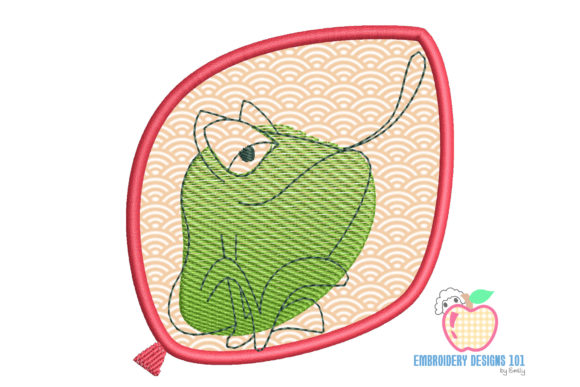
The Frog on the Leaf Design: A Practical Review
As a designer who has spent years staring at digitized files and watching needles dance across fabric, I have learned that not every cute concept translates into a quality embroidery project. Some designs look charming on a screen but turn into a tangled mess of thread breaks and puckering once they hit the hoop. That is why I approach every new file with a healthy dose of skepticism and a stack of scrap fabric. Recently, I pulled up The Frog on the Leaf Design to evaluate its potential for real-world application. My goal was not just to see if it was adorable, but to determine if it holds up under the scrutiny of a professional craft business environment.
First Impressions and Visual Personality
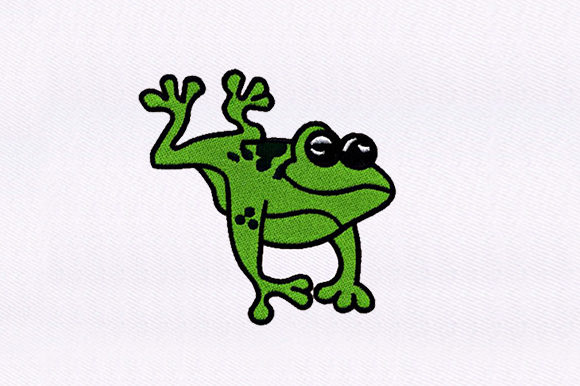
When I first opened the preview for The Frog on the Leaf Design, the immediate impression was one of whimsical simplicity. In the world of Reptiles themed Embroidery, there is often a tendency to over-complicate scales and textures, which can lead to excessive stitch counts and dense areas that stiffen the fabric. This design, however, feels balanced. The layout suggests a playful mood, ideal for projects that need to feel approachable and friendly rather than hyper-realistic or aggressive.
The visual personality here leans toward the illustrative side. For an Etsy seller or a boutique owner, this is a significant advantage. It fits seamlessly into the current trend of nature-inspired, cottage-core aesthetics. The shape of the leaf provides a natural frame for the frog, creating a self-contained unit that works well as a focal point. However, the true test lies in how these shapes translate into actual stitches. Does the digitizer rely too heavily on satin stitch for wide areas, risking snagging? Or is there a smart use of fill stitch to maintain flexibility? These are the questions that determine whether a design is merely decorative or truly functional.
Real-World Application: From Screen to Stitch
To truly understand the value of this file, I imagined several specific scenarios where The Frog on the Leaf Design would be the star. Let’s consider a custom tote bag design. Canvas bags are popular, but they have a coarse fabric texture. A design with too many tiny details might get lost in the weave. This frog, with its distinct color changes and separated steps, seems robust enough to stand out against canvas. The color separation mentioned in the product description is crucial here; it allows for clean transitions between the green of the leaf and the varying tones of the frog, ensuring the image remains crisp.
Another strong candidate for this design is sweatshirt embroidery. Fleece and cotton blends are forgiving, but they require careful handling of stitch density. If the design is too dense, it creates a hard patch that feels uncomfortable against the skin. Given that the steps are separated by color changes, there is likely an opportunity for the digitizer to have included proper underlay stitching, which anchors the design and prevents sinking into the pile of the fleece. This makes it a viable option for custom apparel aimed at children or adults who appreciate subtle, nature-themed accents.
I also considered its use in baby embroidery. Parents love personalized items, and a frog on a leaf is gender-neutral and sweet. However, baby clothes are washed frequently. The durability of the finished product depends on the integrity of the stitches. If the design uses excessive running stitch for outlines without proper locking, it might unravel over time. As a reviewer, I advise testing the tension settings on your specific machine when running this on stretchy knits commonly used for infant wear.
Navigating Technical Challenges
While the design shows promise, there are areas where caution is necessary. One common pitfall with animal motifs is the detailing around the eyes and limbs. In The Frog on the Leaf Design, if the frog’s toes or facial features are extremely small, they may not stitch out cleanly on smaller hoop size configurations or lower-resolution machines. It is essential to check the actual stitch file on your software before loading it onto the machine. Zoom in. Look for those tiny jumps or micro-stitches that could cause thread breaks.
Fabric choice plays a pivotal role. On thin or stretchy fabrics, such as jersey or rayon, a heavy design can cause puckering. Using the right stabilizer is non-negotiable. For this type of design, a cut-away stabilizer is often safer than tear-away, especially if the item will be laundered often. Additionally, if you are planning to use this on dark fabric, you must pay attention to the thread colors selected. The contrast between the leaf and the background needs to be sharp. A dark green leaf on a navy shirt might disappear, so consider adjusting the palette or adding a light-colored backing element if the design allows.
Curved surfaces, like caps, present another challenge. Embroidering on a structured cap requires a design that is not too wide or tall, otherwise, it distorts around the curve. The vertical orientation of a frog on a leaf might work well on the front panel of a cap, but you must ensure the width fits within the standard cap frame. Always run a test stitch on a similar curved surface before committing to a client’s expensive hat.
Commercial Viability and Brand Consistency
For small shop product lines, consistency is key. The Frog on the Leaf Design offers a level of professionalism that can enhance brand trust. When customers see clean lines and well-defined shapes, they perceive higher value. This design can serve as a versatile asset in a broader collection of nature-themed items. It pairs well with other botanical or animal motifs, allowing you to create cohesive sets for holiday embroidery gifts or seasonal promotions.
From a marketing perspective, this design lends itself well to printable mockup creation. Because the subject is clear and recognizable, it photographs well. You can easily showcase it on aprons, kitchen towels, or pillow covers in your online store. The visual appeal helps in generating engagement on social media, where bright, cheerful imagery tends to perform better. However, remember that the digital image is not the final product. Your reputation rests on the physical quality of the handmade product.
Practical Designer Notes for Best Results
Before you integrate this into your workflow, here are some practical steps to ensure success. First, always test the design on scrap fabric that matches the weight and texture of your final material. This simple step saves hours of frustration and wasted materials. Check the stitch density visually in your editing software. If it looks overly packed, consider reducing the density slightly if your software allows, or switch to a heavier needle to accommodate the thread volume.
Verify the file formats provided. The description states that The Frog On The Leaf Embroidery Design comes with multiple embroidery file formats compatible with various machines. Ensure you have the correct format for your specific brand, whether it is PES, DST, JEF, or others. Confirming licensing is also critical. If you plan to sell items featuring this design, ensure the license permits commercial use. Most designers offer different tiers, so read the terms carefully to protect your craft business from legal issues.
Finally, consider the context of commercial embroidery. If you are producing in bulk, efficiency matters. Designs with fewer color changes are faster to produce. Since this design has steps separated by color changes, estimate the time required for thread swaps. If the frog requires five different shades of green, factor that labor cost into your pricing. Transparency with clients about production time builds trust and ensures fair compensation for your skill.
In conclusion, The Frog on the Leaf Design is a promising addition to any digitizer’s library. It balances charm with technical feasibility, making it suitable for a wide range of applications from personalized gift items to boutique merchandise. By paying attention to fabric choice, stabilizer selection, and machine settings, you can transform this digital file into a high-quality tangible product that delights customers and strengthens your brand.