Review: Ancient God of Egypt Redwork Design
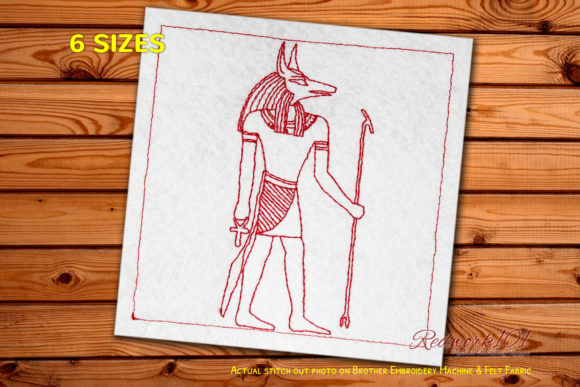
As a designer who spends more time staring at stitch maps than actual fabric, I have developed a keen eye for what works in the hoop and what looks good on paper but fails in production. When I first loaded the Ancient God of Egypt Redwork file into my editing software, my initial reaction was one of appreciation for its simplicity. In a market saturated with overly complex, high-density designs that chew through thread and time, this piece stands out for its clean lines and thematic clarity. It captures the mystique of African heritage and ancient mythology without relying on excessive detail that often gets lost in smaller hoop sizes.
First Impressions and Visual Mood
The aesthetic of this design is rooted in tradition. The redwork style, historically known for using a single color thread on a neutral background, gives this piece a vintage, handcrafted feel that modern satin-heavy designs often lack. The silhouette of the Egyptian deity is distinct, relying on strong outlines rather than filled areas to convey form. This creates a mood that is both regal and understated. For embroidery designers and craft business owners, this visual personality is a asset. It does not scream for attention; instead, it invites closer inspection.
The layout is balanced, making it versatile for various placements. Whether you are centering it on a tote bag or placing it on the chest of a sweatshirt, the proportions hold up well. The optional box stitch mentioned in the product description is an interesting feature. It provides a frame that can help contain the design visually, but as noted, the color of this outer box can vary or be skipped entirely. From a professional standpoint, I recommend testing both versions. Sometimes, the framed look adds a necessary boundary for structured items like patches, while the unframed version flows better on soft, draped fabrics like scarves or lightweight tees.
Real-World Application: The Custom Tote Scenario
To truly evaluate a machine embroidery design, you must imagine it in a real-life scenario. Recently, I was preparing a batch of custom canvas tote bags for a local boutique specializing in cultural heritage products. I needed a design that would appeal to customers looking for meaningful, yet stylish, accessories. The Ancient God of Egypt Redwork fit this brief perfectly.
I stitched a test sample on a medium-weight cotton canvas. The result was crisp. Because redwork typically utilizes running stitches or simple satins for outlines, the fabric did not pucker significantly, provided I used a proper cut-away stabilizer. The contrast of the deep red thread against the natural beige canvas created a warm, earthy tone that aligned beautifully with the Africa category theme. Customers in the boutique responded positively to the subtlety of the design. It felt like a premium, handmade product rather than a mass-produced graphic. This reaction is crucial for Etsy sellers and small shop owners who rely on perceived value to justify pricing.
Performance Across Different Products
Beyond tote bags, this embroidery file shows promise in several other areas. For custom apparel, such as linen shirts or denim jackets, the open nature of the design allows the texture of the fabric to show through, enhancing the rustic appeal. However, caution is needed when applying it to stretchy fabrics like jersey knits for t-shirts. Without adequate stabilization, the running stitches can distort during wear and washing. I always advise using a fusible tear-away stabilizer for knits to maintain shape integrity.
For baby embroidery projects, such as onesies or bibs, the simplicity of the design is a benefit. Fewer stitches mean less stiffness against sensitive skin. However, ensure that the thread colors used are soft and that the back of the stitching is neatly trimmed to prevent irritation. The design also translates well to home decor, particularly pillow covers and kitchen towels. On a tea towel, the redwork style evokes a classic, heirloom quality that appeals to buyers looking for holiday embroidery or housewarming gifts.
Considerations for Challenging Surfaces
While versatile, this design is not without its limitations. Curved surfaces, such as caps or hats, require careful hooping. The linear elements of the Egyptian god’s profile must remain straight to avoid a distorted appearance. If you are new to cap embroidery, I suggest stitching on a flat patch first and then attaching it to the cap, rather than stitching directly onto the curved crown. This ensures the design remains true to its original geometry.
Additionally, when working with dark fabrics, the traditional red thread may not provide enough contrast. In such cases, consider switching to a lighter thread color, such as cream or gold, to maintain visibility. The product description notes that the outer box color varies; use this flexibility to your advantage by matching the border to your thread choice for a cohesive look. Always test your thread colors on scrap fabric before committing to the final product. A digital embroidery file is only as good as its execution on the specific material you are using.
Enhancing Brand Value and Customer Trust
For commercial embroidery projects, consistency is key. Using a design like Ancient God of Egypt Redwork can help establish a recognizable brand aesthetic. Its clean lines and cultural resonance make it suitable for boutique branding where storytelling matters. When customers see a well-executed, thoughtful design, their trust in the maker increases. This translates to higher engagement on social media platforms and better conversion rates for online listings.
Moreover, the ease of stitching this design means faster turnaround times for small business owners. Unlike dense fill stitch designs that can take hours to complete, this redwork pattern is likely quicker to stitch, allowing for higher productivity without sacrificing quality. This efficiency is vital for craft businesses managing multiple orders or preparing for craft fairs.
Practical Designer Notes for Best Results
Before you integrate this design into your workflow, keep these practical tips in mind:
- Test on Scrap Fabric: Always run a test stitch on the same type of fabric you plan to use for the final product. This helps you identify any tension issues or registration errors.
- Check Stitch Density: While redwork is generally low density, verify that the stitch length is appropriate for your fabric. Too long, and the threads may snag; too short, and the fabric may pucker.
- Confirm Hoop Size: Ensure your hoop is large enough to accommodate the design with adequate margin for stabilization. Check the specific dimensions in your embroidery software before loading the file.
- Inspect Small Details: Zoom in on the design in your editor to check for any tiny jumps or unnecessary trims that could be optimized for smoother stitching.
- Licensing Verification: Confirm the licensing terms provided with the digital embroidery file. Ensure you have the right to use the design for commercial purposes if you intend to sell finished items or include it in design assets.
- Mockup Testing: Create printable mockups or digital previews in both black and white and color to see how the design reads in different contexts. This helps in marketing your handmade product effectively.
In conclusion, the Ancient God of Egypt Redwork is a solid addition to any designer’s library. It offers a blend of cultural depth and technical simplicity that serves both hobbyists and professional makers well. By understanding its strengths and limitations, you can leverage this design to create high-quality, appealing embroidered products that resonate with customers and stand the test of time.