Reviewing the St Patricks Day Beer Glass Design
As an embroidery designer who has spent years digitizing and testing thousands of files, I approach every new machine embroidery design with a mix of curiosity and skepticism. We have all been there: you download a file that looks crisp on the screen, only to find it puckers the fabric or loses its charm once stitched out. Recently, I took a close look at the St Patricks Day Celebration with Beer Glass design to see if it holds up under the needle. This isn’t just about aesthetics; it is about whether this asset can reliably serve craft business owners, Etsy sellers, and hobbyists looking to create high-quality holiday merchandise.
First Impressions and Visual Personality
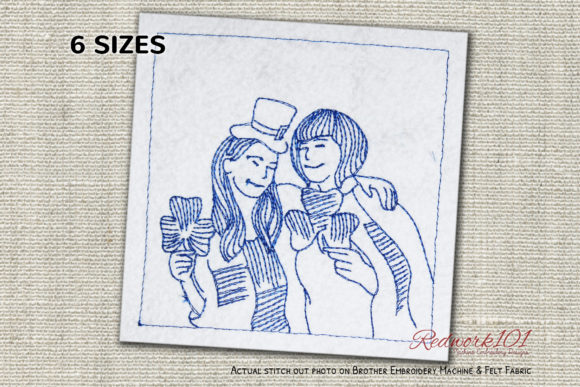
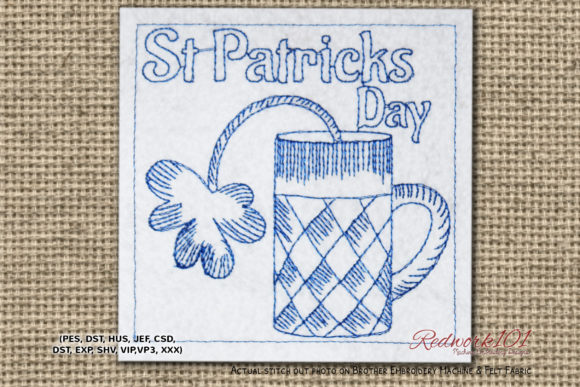
The immediate appeal of the St Patricks Day Celebration with Beer Glass lies in its thematic clarity. It captures the jovial, celebratory spirit of March 17th without relying on overly complex imagery that might overwhelm a small hoop. The central motif—a beer glass—is instantly recognizable, making it an excellent choice for adult-oriented holiday gifts or pub-themed apparel. What stands out is the balance between simplicity and detail. It avoids the clutter that often plagues seasonal designs, allowing the main subject to breathe.
From a layout perspective, the design feels versatile. It does not scream "novelty item" in a cheap way; instead, it offers a clean graphic quality that can elevate a handmade product. For those of us who care about brand consistency, this matters. A design that looks professional on a mockup must also look professional when stitched onto a textured towel or a soft sweatshirt. The visual personality here is friendly and inviting, suitable for a wide range of demographics, from college students celebrating the holiday to adults enjoying a themed party.
Real-World Application: The Tote Bag Test
To truly evaluate an embroidery file, you have to imagine it in a real-life scenario. I mentally placed this design on a natural canvas tote bag, a popular item for spring craft fairs. The result was promising. The bold lines of the beer glass would stand out well against the neutral background of unbleached cotton. This is where the note about the optional Box Stitch becomes relevant. The description mentions that the outer box color varies and the stitch is optional. In my experience, removing the box can modernize the look, making it feel more like a standalone icon rather than a framed picture. This flexibility is a huge plus for a designer who wants to adapt the asset for different products.
If I were creating a custom apparel line for a local brewery or a boutique shop, I would likely use this design on the left chest of a dark navy hoodie. The contrast between the bright thread colors typically associated with St Patrick’s Day—greens, golds, and whites—and the dark fabric would create a striking visual pop. However, this brings us to a critical technical consideration: thread color contrast. When working with this design, you must carefully select your palette. If the design relies on subtle shading, ensure your thread choices provide enough distinction so the details do not get lost, especially from a distance.
Technical Performance and Stitch Quality
Let’s talk about the mechanics. While specific stitch counts and densities are not provided in the brief description, any experienced embroiderer knows that density dictates performance. A design featuring a liquid-filled glass likely utilizes a combination of satin stitch for the outlines and fill stitch for the body of the glass or the foam. If the fill is too dense, it can cause stiffness in the finished product, which is undesirable for wearable items like t-shirts or baby clothes. Conversely, if it is too light, the fabric underneath might show through, ruining the illusion of the design.
I recommend testing this design on scrap fabric before committing to a final project. Pay close attention to the corners and curves of the glass. Sharp angles in digital files often translate to pulled threads in real life if the underlay is not sufficient. Using a proper stabilizer is non-negotiable here. For stretchy fabrics like jersey knits used in sweatshirts, a cut-away stabilizer will provide the necessary support to prevent distortion. For woven fabrics like aprons or tea towels, a tear-away might suffice, but always test first.
The mention that the "color of outer Box is different color in most of the designs" suggests that this file may have multiple color stops or variations. This is common in digital embroidery files, but it requires vigilance. Before stitching, check your machine’s color sequence. You may need to manually adjust the thread order to match your vision, especially if you are aiming for a specific brand look or if you are creating a printable mockup for your online store.
Fabric and Hoop Considerations
Not every surface is created equal. This design would perform beautifully on structured items like caps or patches, provided the hoop size is appropriate. Curved surfaces like baseball caps require careful hooping to avoid registration issues. If the design is too wide, it might wrap around the curve of the cap, distorting the image. Always measure your usable hoop area. For smaller items like baby onesies or pocket squares, ensure the design scales down without losing integrity. Tiny details can become muddy if the design is reduced too much, so check the clarity of the glass rim and any internal details at smaller sizes.
Textured fabrics present another challenge. If you are stitching this on a waffle-knit towel or a fuzzy fleece, the texture can interfere with the stitch definition. In such cases, a topping stabilizer can help keep the stitches on top of the fabric fibers, ensuring the embroidery project looks crisp and professional. This attention to detail is what separates a amateur-looking item from a premium handmade product.
Commercial Viability for Small Businesses
For Etsy sellers and small shop owners, the St Patricks Day Celebration with Beer Glass offers strong commercial potential. Holiday embroidery is a significant revenue driver in the first quarter of the year. This design fits neatly into categories like personalized gifts, custom apparel, and home decor. Its generic yet festive nature means it appeals to a broad audience, reducing the risk of unsold inventory.
However, commercial use comes with responsibilities. Before listing any finished product or selling the digital embroidery file itself, you must confirm the licensing terms. Does the creator allow for unlimited commercial sales? Are there restrictions on digital redistribution? Never assume. Protect your craft business by verifying these details upfront. Additionally, consider how this design fits into your broader catalog. Does it complement your other St Patrick’s Day items? Consistency in style helps build brand recognition and customer trust.
When marketing this item, highlight the versatility. Show it on a variety of products in your photos: a cozy pillow cover, a sturdy apron for the kitchen, or a stylish tote bag. Use high-quality images that show the texture of the stitches. Customers want to see the reality of the embroidered patch or direct stitch, not just a flat digital rendering. This transparency builds confidence and reduces return rates.
Final Verdict and Designer Notes
In conclusion, the St Patricks Day Celebration with Beer Glass is a solid addition to your library of design assets. It balances festive fun with a clean aesthetic that works well for both personal and commercial projects. Its strength lies in its adaptability—it can be dressed up or down depending on the fabric and thread choices. However, success depends on execution. Do not skip the test stitch. Do not ignore the importance of stabilizer selection. And do not overlook the power of good photography in selling the final item.
For those looking to expand their holiday offerings, this design is worth considering. It provides a reliable foundation for creating memorable personalized gifts and standout small shop products. Just remember: the digital file is only the beginning. The true value is created in the careful, thoughtful process of bringing that design to life on fabric. Whether you are a seasoned pro or a passionate hobbyist, taking the time to understand the nuances of this design will result in a higher quality finished product that customers will appreciate and cherish.
Before you start stitching, gather your materials, check your tension, and enjoy the process. There is something deeply satisfying about watching a digital concept transform into a tangible, textured piece of art. Let this design be a catalyst for your creativity this St Patrick’s Day.