Reviewing the Christmas Holly Ornament Design
As an embroidery designer who has spent countless weekends behind a craft fair table, I know that not every design translates from screen to sales. When I first pulled up the Christmas Holly Ornament file, my immediate thought was about versatility. We are not just looking for something pretty; we are looking for a craft fair product that stops a shopper in their tracks. This design, rooted in the ancient symbolism of holly, offers a classic festive aesthetic that bridges the gap between traditional holiday decor and modern handmade appeal.
First Impressions: Classic Festivity Meets Modern Utility
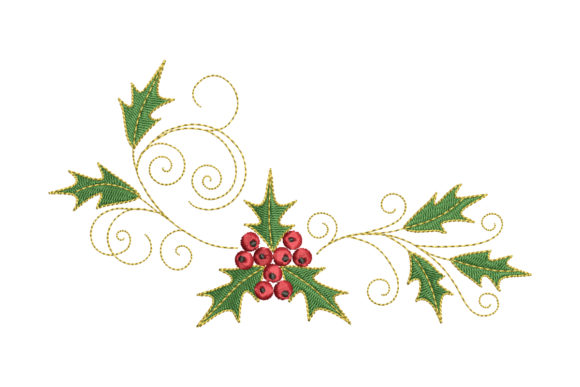
The visual language of this design is unmistakably seasonal. It does not try to be overly abstract or minimalist. Instead, it leans into the recognizable shapes of holly leaves and berries, creating an instant emotional connection with buyers looking for holiday cheer. In a booth filled with various items, clarity is king. A customer walking past your display has seconds to process what they are seeing. The Christmas Holly Ornament succeeds here because it is instantly readable as a holiday motif.
From a stylistic perspective, this design feels decorative and premium. It avoids the trap of looking too cartoonish, which allows it to sit comfortably on higher-end items like linen napkins or structured tote bags. It is not necessarily "funny" or "bold" in a loud sense, but rather elegant and rustic. This makes it a safe yet sophisticated choice for a wide demographic, from young adults buying their first home goods to older customers seeking traditional Embroidery accents for their dining tables.
Strategic Product Placement for Maximum Sales
The product description notes that this machine embroidery design is suitable for decorating corners, such as on a towel or tablecloth. This is a crucial detail for production planning. Corner designs are incredibly valuable because they leave the center of the fabric open, allowing the natural texture of the material to shine through. Here is how I would deploy this design across a typical craft fair inventory:
- Tea Towel Embroidery: This is the most obvious and potentially highest-volume seller. A set of two or four towels with the holly motif in opposite corners creates a cohesive look. The corner placement ensures the design does not interfere with the towel’s primary function while adding significant perceived value.
- Tote Bag Design: Placing the holly ornament on the lower corner of a canvas tote bag creates a subtle, branded look. It transforms a generic bag into a handmade product with specific seasonal appeal. It is less overwhelming than a large central graphic, making it suitable for everyday use even after the holidays pass.
- Apron Embroidery: For kitchen-focused buyers, an apron with this design on the pocket or lower hem adds a touch of warmth. It suggests hospitality and home cooking, which are strong emotional drivers during the holiday season.
- Embroidered Patch: If the design scales well, turning it into an iron-on or sew-on patch allows customers to customize their own jackets or jeans. This appeals to the DIY crowd who might not buy a finished item but will buy the design assets to create their own.
While pillow covers and caps are popular, one must be cautious. Curved cap surfaces can distort detailed designs, and thick pillow fabrics may require heavier needles and different stabilizers. For a small shop product, sticking to flat, stable fabrics like cotton twill or linen ensures the highest quality finish with the least amount of production headache.
Production Realities and Technical Considerations
Before you commit to stitching fifty units for a weekend market, you must address the technical realities of the embroidery file. The description mentions that holly is an ancient symbol, implying a traditional look, but it does not specify stitch count or density. This is where your due diligence as a producer comes in.
Stitch density is a critical factor. If the leaves are too dense, they can cause puckering, especially on lighter fabrics like tea towels. Conversely, if the density is too low, the fabric may show through, ruining the solid look of the green leaves. You must test the design on scrap fabric that matches your final product. Check how the thread colors interact. A deep forest green against a bright red berry is classic, but ensure there is enough contrast so the design does not look muddy from a distance.
Another practical concern is the hoop size. Since this is often a corner design, you need to ensure your hoop allows for proper placement near the edge without hitting the frame. If you are using a standard 5x7 or 4x4 hoop, verify that the design fits comfortably within the usable area. Additionally, consider the stabilizer. For textured towels, a cut-away stabilizer might provide better long-term durability than a tear-away, preventing the design from shifting or distorting after multiple washes.
Visual Appeal and Buyer Engagement
In a crowded marketplace, visual appeal drives engagement. The Christmas Holly Ornament works because it is recognizable. When a customer sees it, they immediately understand the context: it is for Christmas, it is for the home, and it is handmade. This reduces the cognitive load for the buyer. They do not have to guess what it is or where it goes.
For online sellers, particularly the Etsy seller demographic, this design photographs beautifully. The distinct shapes of the holly leaves create nice shadows and depth in photos, especially when shot in natural light. Creating a printable mockup or a high-quality photo of the finished product on a draped tablecloth can significantly boost click-through rates. The design acts as a focal point that draws the eye, making the listing stand out among thousands of generic holiday items.
Furthermore, this design supports brand consistency. If your shop focuses on rustic or farmhouse styles, this holly motif reinforces that identity. It feels authentic rather than mass-produced. This perception of quality allows you to price your finished product higher than unadorned basics. Customers are paying for the labor, the skill, and the aesthetic judgment that went into selecting and executing the design.
Final Designer Notes for Commercial Success
To maximize the potential of this design, keep these final tips in mind:
- Verify Licensing: Before selling any commercial embroidery products, confirm the license terms of the digital embroidery file. Ensure you have the right to sell physical items made with the design.
- Test on Dark Fabrics: If you plan to offer this on navy or black items, check if the design includes underlay stitches that prevent the dark fabric from showing through the lighter thread colors. You may need to adjust thread choices for better visibility.
- Batch Production Efficiency: Because this is likely a smaller accent design, it is ideal for batch production. You can hoop multiple items or use multi-needle machines to run several units at once, reducing your labor cost per item.
- Check for Tiny Details: Inspect the berry details. If they are very small, they may not stitch out cleanly on textured fabrics like terry cloth. In such cases, reserve the design for smoother fabrics like cotton sateen or linen.
In conclusion, the Christmas Holly Ornament is a strong contender for your holiday lineup. It balances traditional charm with practical application, making it a versatile asset for tote bags, towels, and gifts. By paying attention to stitch density, fabric choice, and strategic placement, you can turn this simple design into a standout bestseller at your next craft fair.