Christmas Fairy Embroidery Design Review
As an embroidery designer who has spent countless weekends behind a booth table, I know that the difference between a browser and a buyer often comes down to visual impact. When I first loaded the Christmas Fairy machine embroidery design onto my screen, my immediate thought was about its potential as a high-converting craft fair product. The winter holidays are a competitive season for handmade sellers, and standing out requires designs that balance festive charm with professional execution. This review breaks down how this specific digital embroidery file performs in real-world applications, from Etsy listings to physical market displays.
First Impressions and Aesthetic Appeal
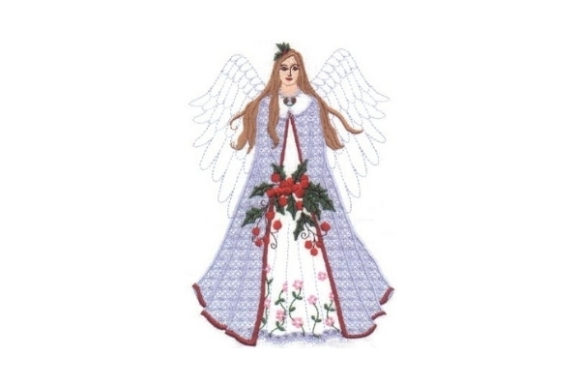
The title alone suggests a whimsical, magical vibe, but the execution is what matters for sales. Upon reviewing the preview, the Christmas Fairy design leans into a soft, decorative aesthetic that feels both traditional and approachable. It does not scream "modern minimal," nor does it feel overly rustic; instead, it occupies a sweet spot of classic holiday nostalgia. For a boutique maker, this is valuable because it appeals to a broad demographic. Customers looking for giftable handmade items often seek something that feels special yet familiar.
The visual weight of the design appears balanced. It is not so dense that it becomes a stiff patch of thread, nor so sparse that it looks unfinished. This balance is crucial for maintaining the drape of fabrics like cotton tote bags or linen tea towels. When evaluating a new design asset, I always look for clarity at a glance. Does the silhouette read well from three feet away? In this case, the fairy motif likely offers enough distinct shape recognition to catch the eye of a shopper walking past your booth, which is the first step in driving engagement.
Product Versatility for Craft Fair Sellers
One of the strongest aspects of the Christmas Fairy embroidery design is its adaptability across various small shop products. As a craft fair seller, you need designs that can be scaled or adapted to different blanks without losing their integrity. Here is how I envision this design performing on key items:
- Tote Bag Design: Placed centrally on a canvas tote, this design becomes a statement piece. The festive theme makes it an ideal holiday gift bag alternative. Ensure you use a heavy cut-away stabilizer to prevent puckering on the large surface area.
- Apron Embroidery: An embroidered apron is a top-tier seller during the holidays. Positioning the fairy on the bib or near the pocket adds a touch of whimsy to kitchen wear. It transforms a utilitarian item into a cherished keepsake.
- Tea Towel Embroidery: For kitchen textiles, the design must be delicate enough not to overwhelm the fabric. If the stitch density is moderate, this works beautifully on flour sack towels. However, always test on scrap fabric first to ensure the texture of the towel does not distort the finer details.
- Embroidered Patch: If the design holds up at a smaller scale, turning it into an iron-on or sew-on patch is a brilliant move. Patches are low-cost, high-margin items that allow customers to buy a piece of your brand without committing to a larger purchase.
- Caps and Beanies: Embroidering on curved surfaces requires careful hoop size selection. If the design is not too wide, it can sit nicely on a dad hat or beanie, adding a festive flair to winter accessories.
Production Practicality and Batch Efficiency
For any embroidery business owner, time is money. A design might look stunning, but if it takes four hours to stitch, it may not be viable for high-volume holiday sales. While the exact stitch count is not provided in the description, the mention of multiple embroidery file formats suggests flexibility. You should check the specific file details to confirm the stitch count and estimated run time.
Batch production is key to surviving the holiday rush. The Christmas Fairy design seems suited for repetition. If you can hoop multiple caps or pouches in a multi-position frame, this design could significantly boost your output. Consider creating a printable mockup to visualize how the thread colors will pop against different fabric backgrounds. Dark fabrics may require a white underlay or lighter thread colors to maintain visibility, while light fabrics allow for more vibrant, saturated hues.
Technical Considerations for Quality Control
Before listing this as a finished product, there are critical technical checks to perform. Dense stitch areas can cause fabric distortion, especially on lightweight materials. Always inspect the stitch density in your editing software. If the design has tiny details or small lettering, verify that they remain clear at your intended size. Tiny elements can get lost in the fabric texture or break during washing if not properly stabilized.
Stabilizer choice is non-negotiable. For stretchy fabrics like those used in caps or knit pouches, a strong cut-away stabilizer is essential. For woven fabrics like aprons or pillow covers, a tear-away might suffice, but testing is mandatory. Additionally, confirm the hoop size required. If the design is large, ensure your machine can accommodate it without re-hooping, which introduces alignment risks.
Marketing and Visual Appeal for Online Sales
For the Etsy seller or digital creator, the visual presentation is everything. The Christmas Fairy design must photograph well. High-contrast thread colors against neutral fabrics tend to perform best in online thumbnails. Create a variety of images: close-ups showing the stitch quality, lifestyle shots showing the product in use, and flat lays that highlight the design’s symmetry.
When writing your product descriptions, emphasize the handmade quality and the unique charm of the fairy motif. Use terms like "festive," "whimsical," and "premium embroidery" to attract buyers looking for higher-end goods. If you are selling the digital embroidery file itself, ensure your listing clearly states the commercial licensing terms. Many creative entrepreneurs look for design assets that allow them to sell finished products, so clarity here builds trust and reduces customer service inquiries.
Final Verdict for Handmade Entrepreneurs
The Christmas Fairy embroidery design offers a compelling blend of seasonal appeal and practical versatility. It fits seamlessly into a holiday collection, enhancing items ranging from kitchen textiles to wearable accessories. Its strength lies in its ability to convey a festive mood without being overly complex, making it a strong candidate for batch production.
However, success depends on execution. Test the design on various fabric textures to determine the best stabilizer and thread combination. Check the file formats to ensure compatibility with your machine. Confirm the license terms if you plan to sell commercial embroidery products. By treating this design as a core component of your holiday strategy, you can create a cohesive, attractive booth display that draws customers in and converts interest into sales. Whether you are a seasoned embroidery business owner or a new crafter, this design provides a solid foundation for creating memorable, high-quality handmade products.