Reviewing Helper Angels Lineart for Craft Fairs
As an embroidery designer who has spent countless weekends behind a booth table, I know that the difference between a browsing customer and a buying customer often comes down to visual clarity. When I first pulled up the Helper Angels Lineart file on my screen, my immediate thought was about versatility. In the world of Fairy Tales and whimsical Embroidery, line art styles are having a significant moment. They offer a modern, minimalist aesthetic that appeals to buyers who want something sweet but not overly busy. This review focuses on how this specific design performs when translated from a digital embroidery file into tangible, sellable goods for your handmade business.
First Impressions and Aesthetic Appeal
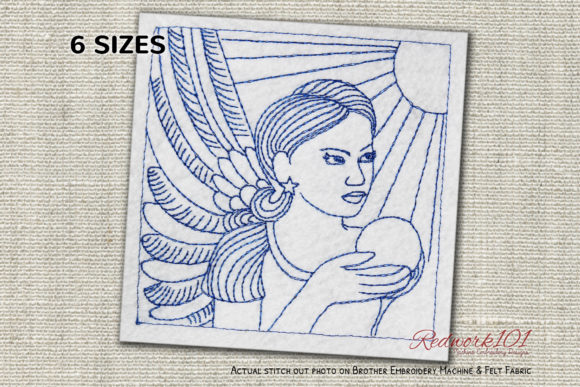
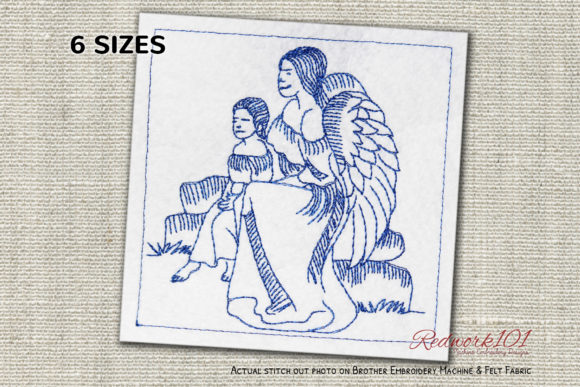
The title itself, Helper Angels, suggests a theme of protection, kindness, and gentle guidance. Visually, line art designs rely heavily on clean outlines rather than heavy fill stitches. This gives the design a light, airy feel that is perfect for spring markets, baby showers, or religious-themed gift shops. The description notes that "The Box Stitch shown in picture is optional," which is a crucial detail for production efficiency. It implies that the core angel motif can stand alone, allowing you to adapt the size and placement without being constrained by a rigid border unless you choose to include it.
For a craft fair seller, this flexibility is gold. You are not locked into one specific look. The line art style feels both rustic and modern, fitting seamlessly into farmhouse decor trends while remaining elegant enough for boutique clothing. It does not scream for attention with loud colors; instead, it invites closer inspection, which is exactly what you want when a customer stops at your table.
Product Applications for Maximum Sales
When planning your inventory, consider where a delicate line art design will have the most impact. Here is how Helper Angels Lineart performs across various popular craft fair products:
- Tote Bag Design: This is arguably the strongest candidate for this motif. A large hoop size allows the angel to be the focal point on a canvas tote. The open nature of line art prevents the bag from becoming stiff, which is a common complaint with heavily stitched items.
- Apron Embroidery: Placing the helper angel on the bib or the lower corner of a kitchen apron adds a touch of warmth. It appeals to buyers looking for thoughtful gifts for hosts or grandmothers.
- Tea Towel Embroidery: Line art works beautifully on textured linen or cotton towels. However, you must be mindful of the fabric texture. If the weave is too loose, thin lines may get lost. A tighter weave ensures the stitch definition remains crisp.
- Embroidered Patch: Creating iron-on or sew-on patches is a fantastic way to use smaller versions of this design. Patches are low-commitment purchases for customers, making them excellent impulse buys at your booth.
- Caps and Hats: Curved surfaces are tricky. Because this is a line art design, it has less pull than a satin-stitch heavy design, reducing the risk of puckering on the front panel of a cap. Just ensure you use a strong stabilizer.
- Pillow Covers and Market Bags: These items benefit from the decorative nature of the angel. It adds a premium feel to simple home goods, elevating the perceived value of the finished product.
Production Practicality and Batch Efficiency
For any Etsy seller or small shop owner, time is money. One of the biggest advantages of Helper Angels Lineart is its potential for speed. Line art typically has lower stitch density compared to filled designs. This means faster machine run times, allowing you to produce more units in less time. This is critical when preparing for a weekend craft fair where you need high inventory levels.
The note that "the color of outer Box is different color in most of the designs unless it is part of the design itself" suggests that the file is layered intelligently. You can skip the box color directly in your software if it doesn't suit your fabric. This adaptability means you can create a cohesive collection using different thread colors to match seasonal palettes without needing multiple separate files. For commercial embroidery purposes, this reduces your digital asset management workload significantly.
Photography is another key selling point. Line art photographs exceptionally well because it creates high contrast against solid backgrounds. When creating your printable mockup or listing images for your online store, the clean lines will pop on social media feeds, drawing the eye of potential buyers scrolling through their feeds.
Critical Technical Considerations
While the design is versatile, there are technical pitfalls to avoid. As an experienced designer, I cannot stress enough the importance of testing. Do not assume the default settings will work on every material.
- Stabilizer Selection: Even with low stitch density, line art requires stability to keep the lines straight. Use a cut-away stabilizer for stretchy fabrics like t-shirts and a tear-away for stable wovens like tote bags. Poor stabilization will result in wavy lines that look unprofessional.
- Thread Contrast: Because the design relies on outlines, the contrast between the thread and the fabric is vital. White thread on white fabric will disappear. Choose thread colors that stand out. If you are using dark fabric, ensure your thread is bright enough to be seen from a distance.
- Small Details: If you scale the design down for a small pouch or a child’s item, check the smallest details. Tiny curves can become jagged if the stitch length is too long. Always inspect the design at 100% zoom in your embroidery software before hooping.
- Fabric Texture: Avoid highly textured fabrics like thick terry cloth for this specific line art style. The loops of the towel can obscure the fine lines, making the angel look muddy rather than crisp.
Enhancing Brand Consistency and Value
Incorporating Helper Angels Lineart into your product line can strengthen your brand identity if you position it correctly. It speaks to customers who value subtlety and craftsmanship. By using this design across multiple items—such as matching tote bags and tea towels—you create a curated collection that encourages bundle purchases. This strategy increases your average order value, which is essential for covering booth fees and material costs.
Furthermore, the "helper" theme resonates emotionally. Buyers are not just purchasing an embroidered item; they are buying a sentiment. Marketing these items as gifts for teachers, nurses, or caregivers can tap into a specific niche market that is often overlooked in general craft fairs. The design becomes a symbol of appreciation, adding emotional weight to the physical product.
Final Designer Notes for Success
Before you commit to full production, take these final steps to ensure quality. First, confirm the commercial licensing terms of the digital embroidery file. Ensure you have the right to sell finished products made with this design. Second, create at least one real mockup on the actual fabric you intend to use. Photos of the digitized version on a screen do not always translate perfectly to cloth. Check the spacing between elements to ensure no threads bridge gaps unintentionally.
Finally, consider your hoop size. If the design is large, ensure your machine can handle the required hoop without re-hooping, which can cause alignment issues. If you are new to this design, start with a sample batch of five items. Test them on the sales floor. Observe which items draw the most questions. Use that feedback to adjust your inventory for the next fair. With careful attention to thread choice and fabric pairing, Helper Angels Lineart can become a staple in your bestselling lineup, offering a blend of charm and professionalism that serious handmade shoppers appreciate.